What Size Home Propane Tank Does Your House Actually Need? A Homeowner's Guide
Choosing the right home propane tank size may be one of the most practical decisions a Salina, KS, homeowner can make before winter arrives.
Temperatures in Salina regularly drop below freezing from November through February, with January lows averaging around 20°F. A correctly sized home propane tank keeps your heat running without emergency deliveries or costly run-outs. This guide covers the key factors that determine tank size for home propane in Salina, KS, from square footage and appliance load to the ownership question many homeowners overlook.
The Three Factors That Determine Your Tank Size
Tank sizing comes down to home size, the number of propane appliances, and local climate.
Square footage. Bigger homes burn more fuel. A small cottage and a large ranch-style home in Saline County may need completely different tank capacities, even if both use home propane only for heating.
Appliance load. A furnace draws far more propane than a water heater or dryer. Homes running propane for heating, cooking, water heating, clothes drying, and a backup generator need a significantly larger tank than homes using only one or two appliances.
Climate. Salina's winters can bring stretches of temperatures in the 20s and 30s for weeks at a time. That sustained cold pushes propane consumption higher than in milder states, so local homeowners should plan tank size with those cold snaps in mind.
Tank Size Reference: What Does Each Size Support?
Use this table as a starting point. Your propane provider can help confirm the right fit based on your appliances and home setup.
| Tank Size | Usable Capacity | Best For |
|---|---|---|
| 120-gallon | ~96 gallons | 1-2 appliances (water heater, dryer, range). |
| 250-gallon | ~200 gallons | 2-3 appliances; supplemental heating in smaller homes. |
| 500-gallon | ~400 gallons | Whole-home heating up to ~1,500 sq ft; 2-3 appliances. |
| 1,000-gallon | ~800 gallons | Larger homes 2,000-4,500 sq ft; all-propane appliance load. |
All propane tanks are filled to about 80% of their listed capacity, allowing fuel to expand safely as temperatures change. The usable capacity column reflects what you actually have after a full fill.
Matching Tank Size to Your Home in Salina
- Smaller homes and single-appliance users (under 1,000 sq ft). A 120-gallon tank may work for a one- or two-bedroom home using home propane only for a water heater, range, or dryer. It will not support a whole-home heating system.
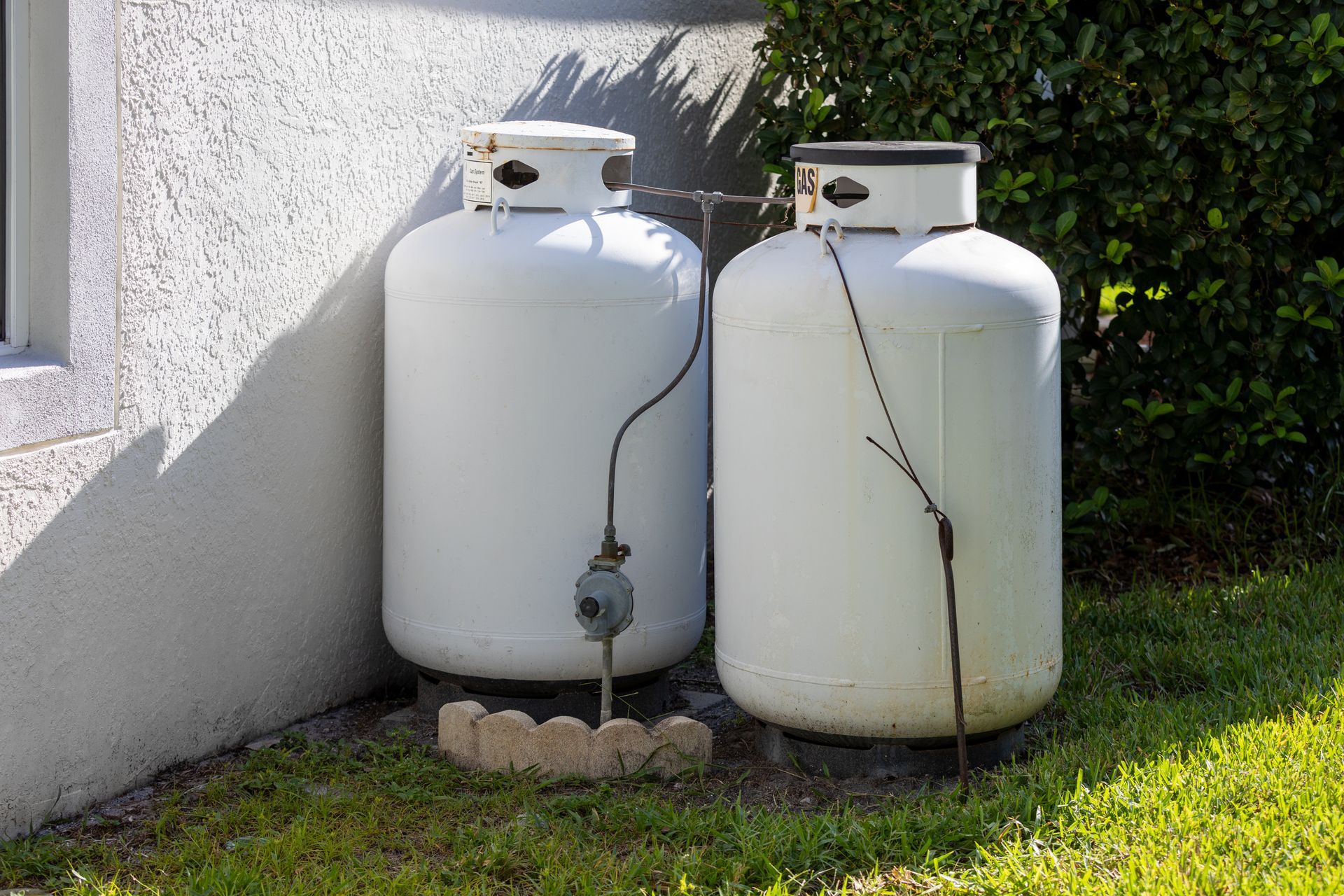
- Mid-size homes (1,000-1,500 sq ft). A 500-gallon tank is often the right choice, especially if propane powers the furnace. It can support whole-home heating plus two or three additional appliances. For rural properties outside Salina where natural gas lines are unavailable, a 500-gallon aboveground tank is the most common setup.
- Larger homes (2,000-4,500 sq ft). A 1,000-gallon tank is a better fit if your home relies on home propane for heat, water heating, cooking, drying, and a standby generator. It may carry you through a Kansas winter on a single fill, reducing delivery calls during peak season.
- Backup-only or seasonal use. If propane powers only a fireplace, outdoor grill, or space heater, a 120-gallon or 250-gallon tank is usually more than enough.
Do Not Forget the Generator Factor
A whole-home backup generator is a significant propane draw. Adding one can bump your recommended tank size up a full category. Homeowners in rural Saline County who depend on home propane for both heat and backup power should account for generator consumption when sizing their tank, particularly before storm season.
Owning vs. Renting Your Tank
Renting means the propane company owns, installs, and maintains the tank, usually for a small annual fee. It keeps upfront costs lower and makes the provider responsible for maintenance. Owning your tank lets you buy propane from any supplier and may save money over the long term. However, you take on maintenance and eventual replacement costs.
For homeowners new to home propane in the Salina area, renting is often the simpler starting point. Those with long-term plans may benefit from exploring tank sales to reduce ongoing fees. Both options are available.
Explore propane services to learn more.
Frequently Asked Questions
What Is the Most Common Residential Propane Tank Size?
The 500-gallon aboveground tank is the most widely used residential size where propane is the primary heating fuel. It typically serves homes up to about 1,500 square feet and supports a furnace along with two or three additional appliances.
Can a Propane Tank Be Installed Underground?
Yes. Underground installation is an option for tanks 500 gallons or larger. A buried tank stays out of sight and suits homeowners who want a cleaner yard appearance. Underground tanks must follow the same setback rules as aboveground tanks and require installation by a qualified professional.
How Often Will I Need a Delivery with a 500-Gallon Tank?
In central Kansas, a 2,000-square-foot home heated mainly by propane may use the full usable capacity of a 500-gallon tank in two to four months of peak heating season. A pre-pay contract or automatic delivery schedule helps you avoid running low during the coldest months.
Does the Kansas Climate Affect How I Should Size My Tank?
Yes. Salina's winters bring sustained cold from late November through February, with lows that can drop well below freezing. When deciding between two tank sizes, homeowners in Saline County should size up. A larger tank means fewer deliveries and more buffer during cold snaps.
Get the Right Setup Before Winter Arrives in Salina
Sizing your home propane tank correctly is one of the best steps you can take before cold weather settles in across central Kansas. The right tank means consistent heat, fewer emergency calls, and a simpler delivery schedule all season long.
RediGas Inc. has served homeowners in the Salina, KS, area and across central Kansas with dependable propane delivery, tank sales, and rentals since 1981.
Contact RediGas today to discuss your home's needs. You can also call
(620) 241-5282 or toll-free at
(800) 925-2021. Our phone lines are open Monday through Friday, 8 a.m. to 5 p.m.